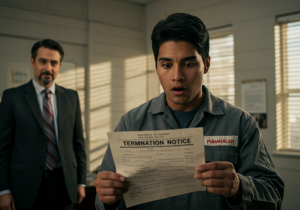
The gig economy has transformed the way we work, offering flexibility and autonomy to freelancers worldwide. However, this freedom often comes with challenges, including the risk of wage theft. For freelancers, who often lack traditional employment protections, spotting and addressing wage theft is crucial for financial security and professional integrity.
Understanding Wage Theft
Wage theft occurs when workers do not receive their legally or contractually agreed-upon pay. In the gig economy, this can manifest in various ways:
- Late Payments: Delays in compensation beyond agreed deadlines.
- Underpayment: Receiving less than the agreed amount for a task or project.
- Misclassification: Incorrectly categorizing workers as independent contractors to avoid providing benefits.
- Deduction Exploitation: Unfair deductions for materials, tools, or platform fees.
Wage theft can have significant ripple effects on a freelancer’s financial health and mental well-being, particularly for those relying on consistent pay to meet their basic needs. It erodes trust in client relationships and can deter talented professionals from continuing in their chosen career paths.
Why Freelancers Are Vulnerable
Freelancers operate without the safety nets provided by traditional employment, such as human resources departments or standardized contracts. This makes them susceptible to exploitation by clients or gig platforms. Factors contributing to this vulnerability include:
- Lack of Legal Knowledge: Many freelancers are unaware of their rights under local labor laws.
- Informal Agreements: Verbal contracts or unclear terms increase the risk of disputes.
- Global Nature of Freelancing: Working with clients across borders complicates legal recourse.
The lack of a central authority or unionized support structure for freelancers can also leave individuals feeling isolated when facing wage theft, further emphasizing the need for vigilance and self-advocacy.
Spotting the Signs of Wage Theft
Identifying wage theft early can save freelancers time, money, and stress. Be alert to these warning signs:
- Vague or Changing Terms: Clients who frequently revise payment terms or fail to define them clearly.
- Lack of Written Agreements: Absence of formal contracts specifying pay rates, deadlines, and responsibilities.
- Unjustified Deductions: Unexpected reductions in payment without prior agreement or explanation.
- Nonpayment Histories: Clients or platforms with a record of disputes or negative reviews regarding payment.
Freelancers should trust their instincts—if a client seems unreliable or overly secretive about financial matters, it’s better to err on the side of caution.
How to Protect Yourself
Proactively safeguarding against wage theft is essential. Here are actionable steps:
1. Prioritize Clear Contracts
Draft a comprehensive agreement for every project. Include:
- Scope of work
- Payment terms
- Deadlines
- Revisions policy
- Termination clauses
Tools like contract templates from freelancer platforms can simplify this process. Clear contracts are not just legal safeguards—they also help set expectations, fostering better professional relationships.
2. Research Clients
Before agreeing to work, investigate potential clients or platforms. Reviews, ratings, and forums like Reddit or Glassdoor often reveal red flags. Checking a client’s reputation can save you from potential financial and emotional distress.
3. Invoice Professionally
Use detailed invoices with itemized charges, due dates, and payment instructions. Tools like FreshBooks or Wave streamline this process. An invoice acts as an official record and serves as leverage in case of disputes.
4. Know Your Rights
Familiarize yourself with local and international labor laws applicable to freelancers. For example, some regions have specific laws protecting gig workers from exploitation. Organizations like the Freelancers Union or local advocacy groups can be valuable resources for education and support.
5. Utilize Escrow Services
Freelancing platforms like Upwork or Fiverr often use escrow systems to ensure payment upon project completion. For off-platform gigs, third-party escrow services can be invaluable. These systems provide added security, particularly for larger projects with multiple milestones.
Steps to Take If Wage Theft Occurs
If you suspect or experience wage theft, act quickly:
1. Document Everything
Keep detailed records of:
- Emails or messages with clients
- Work submissions
- Invoices and receipts
These serve as evidence if you escalate the issue. Detailed documentation can also deter clients from attempting wage theft, knowing that you have proof of your work and agreements.
2. Communicate with the Client
Address the issue professionally. Misunderstandings can sometimes be resolved through clear communication. When initiating such conversations, remain calm and focused on facts rather than emotions.
3. Seek Mediation
Platforms like Upwork provide dispute resolution services. For off-platform projects, professional mediators can help negotiate. Mediation not only resolves conflicts but can also preserve your professional relationships.
4. Legal Action
As a last resort, consider small claims court or consulting a lawyer specializing in gig economy cases. Organizations like the Freelancers Union offer resources for navigating legal disputes. While legal action can be time-consuming, it sends a strong message about the seriousness of wage theft.
Why Awareness Is Key
Wage theft in the gig economy undermines fair labor practices and erodes trust between freelancers and clients. Raising awareness about this issue not only protects individual workers but also contributes to a more equitable gig economy. Public discourse can drive platforms and policymakers to implement stricter safeguards for freelancers.
Final Thoughts
Freelancing offers incredible opportunities for independence and growth. However, it’s essential to remain vigilant about wage theft. By understanding the risks, recognizing warning signs, and taking preventive measures, freelancers can protect their income and ensure that their hard work is fairly compensated. Staying informed and proactive isn’t just about protecting your earnings—it’s about sustaining your career and supporting a fair, thriving gig economy.
If you’ve experienced wage theft or suspect unfair treatment, don’t navigate it alone. David Gallo and his team of experienced attorneys specialize in protecting freelancers and gig workers from exploitation. Contact David Gallo Lawyers today for a consultation and take the first step toward reclaiming what you’re owed. Your work deserves to be valued, and we’re here to ensure it