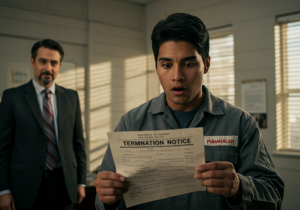
The gig economy has revolutionized the workforce, offering flexibility and independence. However, with these benefits come risks—especially when it comes to wage theft. Many gig workers, from rideshare drivers to food couriers and freelancers, unknowingly fall victim to unfair pay practices. Employers often misclassify workers or engage in practices that result in unpaid wages, leaving many without the compensation they deserve.
If you’re a gig worker, understanding your rights, identifying wage theft, and knowing how to take action is essential.
What Is Wage Theft in the Gig Economy?
Wage theft occurs when employers fail to pay workers what they are legally owed. In the gig economy, this can take several forms:
- Misclassification as an Independent Contractor – Companies label workers as independent contractors to avoid paying minimum wage, overtime, and benefits.
- Unpaid Wages or Delayed Payments – Gig platforms withhold or delay payment for completed work.
- Unlawful Deductions – Excessive service fees or deductions without clear justification.
- Failure to Reimburse Expenses – Many gig workers pay for expenses like gas, vehicle maintenance, and supplies, which should be covered by employers.
Recognizing these practices is the first step in protecting yourself and demanding fair pay.
Are You Misclassified as an Independent Contractor?
One of the most common forms of wage theft is worker misclassification. Companies misclassify workers as independent contractors to avoid paying fair wages and benefits. Here are key questions to determine if you’ve been misclassified:
- Do you have little control over your schedule or tasks? Employees typically follow company-set schedules, while independent contractors work independently.
- Does the company provide work equipment or tools? If the platform supplies necessary tools, you may be an employee, not an independent contractor.
- Are you restricted from working for competitors? If your gig company limits where you can work, it suggests an employer-employee relationship.
- Do you have to follow strict company policies? Employees must follow workplace policies, whereas independent contractors should have full autonomy over their work.
If you answered “yes” to several of these questions, you may be misclassified and entitled to additional wages and benefits.
How to Recover Lost Wages as a Gig Worker
If you believe you’re a victim of wage theft, take these steps to protect your rights and recover unpaid wages:
1. Keep Detailed Records
- Track hours worked and pay received.
- Save contracts, payment receipts, and work-related communication.
- Document any deductions or fees taken from your earnings.
2. Understand Your Legal Rights
- The Fair Labor Standards Act (FLSA) protects workers against wage theft and misclassification.
- Some states have stricter labor laws. For example, California’s AB5 law enforces stricter worker classification rules.
- Research labor laws in your state to understand additional protections.
3. Report Wage Theft
- File a complaint with the U.S. Department of Labor (DOL).
- Check if your state labor board provides additional protections for gig workers.
- Join a class-action lawsuit if others in your industry face similar issues.
4. Consult an Employment Lawyer
An employment lawyer specializing in wage theft can help determine if you’ve been misclassified and assist in recovering lost wages. Many offer free consultations, making it easy to explore your legal options.
5. Advocate for Gig Worker Rights
- Support legislation that protects gig workers from wage theft.
- Join worker advocacy groups pushing for fair pay.
- Raise awareness and demand stronger protections for gig economy workers.
Final Thoughts: Protecting Your Right to Fair Pay
Wage theft in the gig economy is more common than many realize, but workers don’t have to accept unfair pay practices. By understanding your employment classification, tracking your earnings, and knowing your legal rights, you can fight for fair compensation.
Need Help Fighting Wage Theft?
At David Gallo Law, we specialize in helping gig workers recover lost wages and fight misclassification. Contact us today for a free consultation and take the first step toward fair pay.